Historical Trailheads
Nature doesn’t just give us the blueprints, our ancestors gave us the proof.
See how these figures from our history and present day move with the same intelligence as the land.
Selective Presence
Knowing when to retreat, protect your energy, and transform in private.
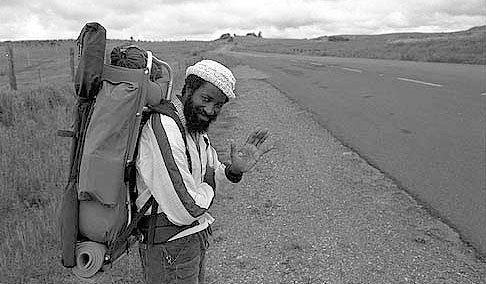
John Francis (The Planetwalker)
After witnessing a massive oil spill in 1971, John Francis made a radical choice: he stopped speaking for 17 years and spent 22 years walking everywhere on foot. Like the Cocoon, he went into a period of deep, internal silence to transform his understanding of the world. He emerged with a PhD in Land Resources and a new voice, having developed a profound "biological literacy" that he now uses to teach the world about environmental harmony.
Built Different
Flourishing in "impossible" soil: turning constraint into a strategic advantage
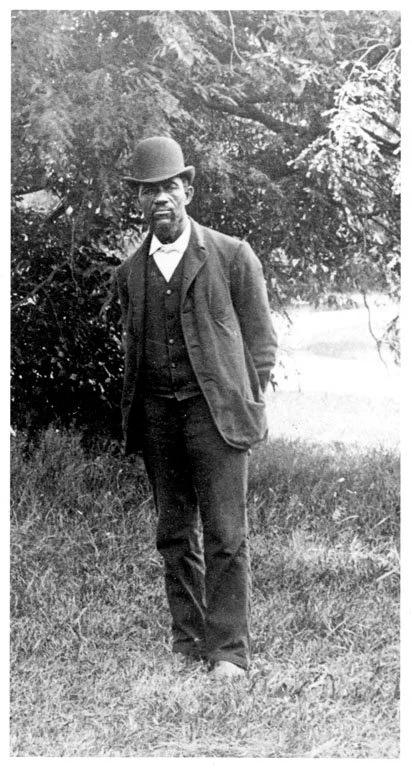
Solomon Brown
Solomon Brown was the first Black employee of the Smithsonian Institution. Despite having no formal schooling, he became a self-taught polymath and an expert in natural history. He navigated the rigid social and professional hierarchies of the 19th-century scientific community by becoming indispensable—illustrating complex maps of the insect world and documenting social habits that had previously gone unrecorded. His career proved that deep expertise could be established even when formal entry was denied.
The Underground Network
Communication without command: decentralized strength and mutual aid
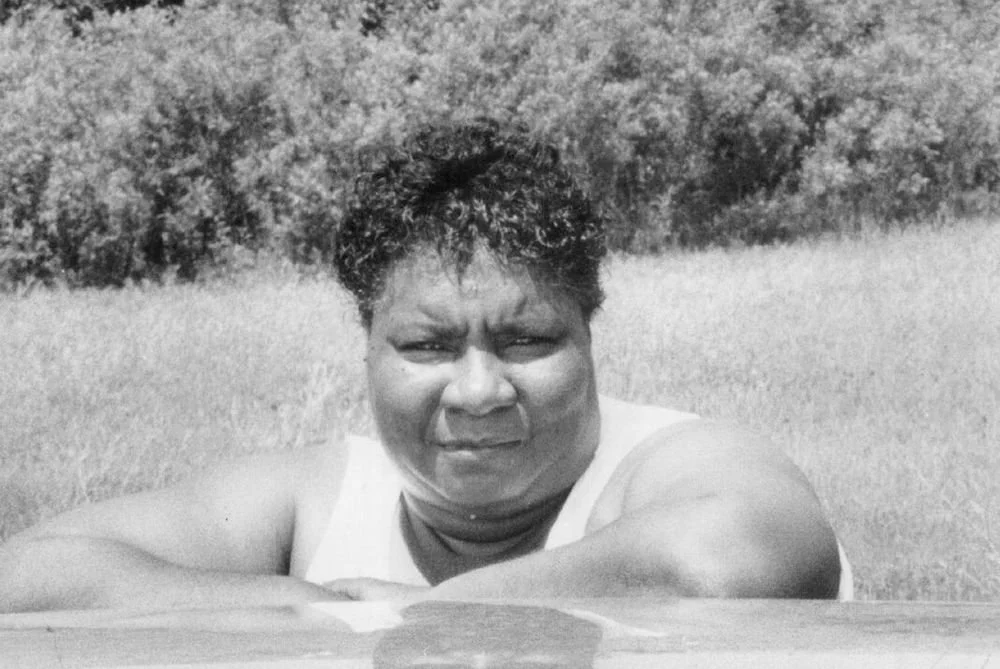
Hazel Johnson
Known as the "Mother of Environmental Justice," Hazel lived in the Altgeld Gardens housing project in Chicago—a place surrounded by toxic landfills. Recognizing the health crisis in her community, she began organizing her neighbors to document illnesses and track local polluters. She focused on lateral community power rather than waiting for outside intervention. This network eventually grew into a movement that forced the federal government to address environmental racism.
Decomposition as a Path Forward
Cultural Alchemy: breaking down "hard rock" or waste to create new soil
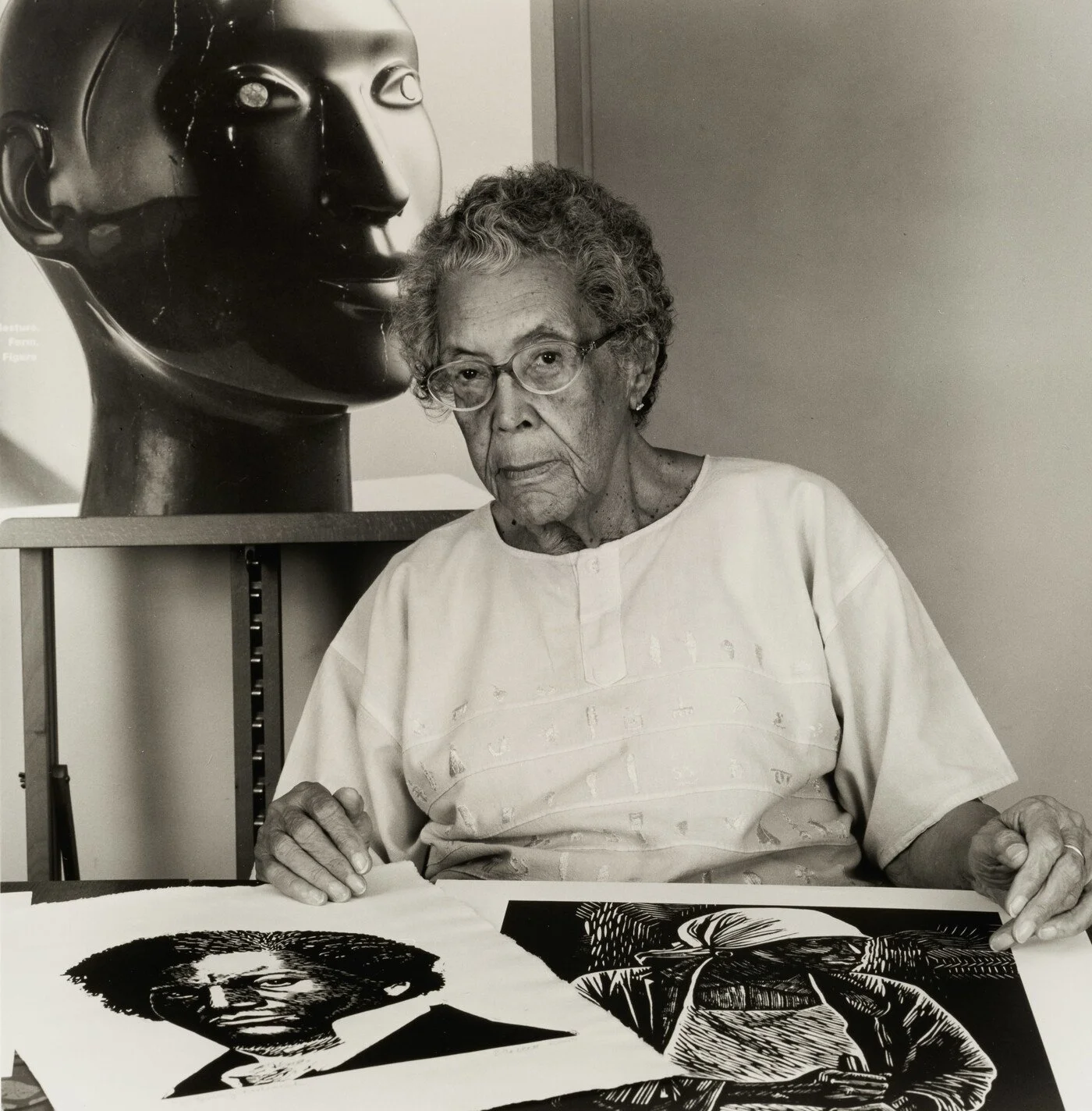
Elizabeth Catlett
An artist and activist who was declared an "undesirable alien" by the U.S. government for her political affiliations, Elizabeth Catlett was effectively exiled. She moved to Mexico and spent decades translating the difficult realities of Black and Mexican women into sculptures and prints. She took the experience of being discarded by her home country and used it as the raw material to build a foundational body of work that continues to influence political art today.
The Right to Move
Movement as discernment; the strategic flow toward viability.
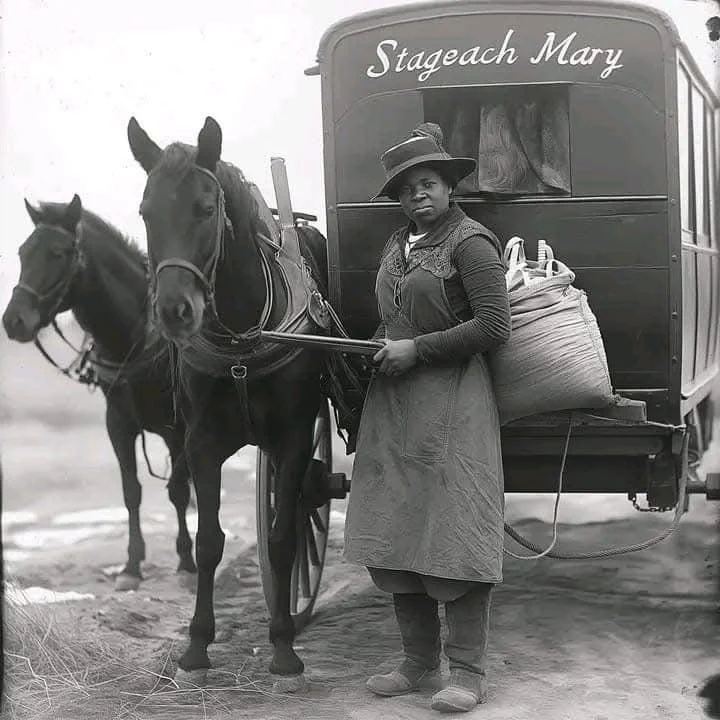
Mary Fields (Stagecoach Mary)
Born enslaved, Mary Fields consistently navigated toward environments that offered greater autonomy. Her path took her from Mississippi steamboats to a convent in Ohio, and eventually to the Montana frontier. At age 60, she became the first Black woman to carry a Star Route mail contract, a job that required her to find safe passage through treacherous terrain. She navigated around the barriers of her time, moving toward the spaces where she could live with total independence
The intelligence of these figures wasn't a miracle, it was a strategy.
Which of these energies are you calling on this week?
Selective Presence
Protecting energy for internal shifts
Built Different
Thriving exactly where you are
Decomposition as a Path Forward
Turning "waste" or difficult material into fuel
The Underground Network
Strengthening local ties and mutual aid
The Right to Move
Trusting intuition to move toward a better environment
As you move forward with these strategies in mind, may you do so with confidence and sustained awareness of those that mapped these paths before us. We acknowledge and express gratitude to our African and Native ancestors who were forcibly and violently displaced and exploited, and whose labor and stewardship of the land has built the world as we know it today, and will guide our building of a harmonious world for the following generations.